

HueSense
Clarity in every hue.
Fall 2025
The Problem:
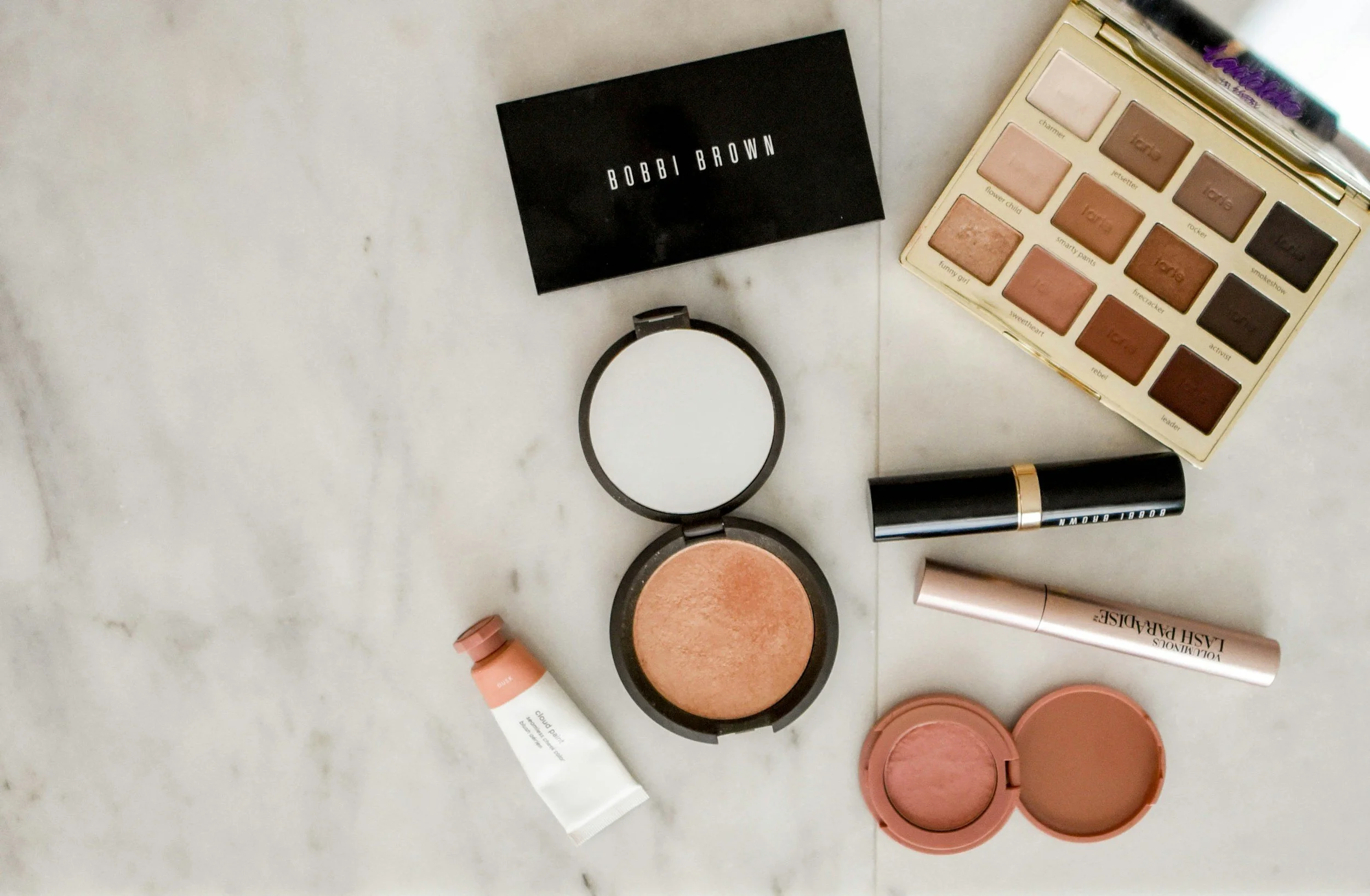
Accurately identifying skin tones and undertones in makeup remains difficult due to inconsistent lighting, subjective observation, and non-standardized shade systems across beauty brands. These issues often lead to mismatches, frustration, and high product return rates, especially for customers with underserved skin tones.
The solution:
HueSense is an AI-powered skin tone scanner paired with a mobile app that analyzes tone and undertone to deliver personalized shade recommendations!
Core features:
Objective, lighting-independent skin analysis
Undertone education and clarity
Personalized shade recommendations
Designed for both retail and at-home use
Inclusive AI training as a core requirement, not an afterthought
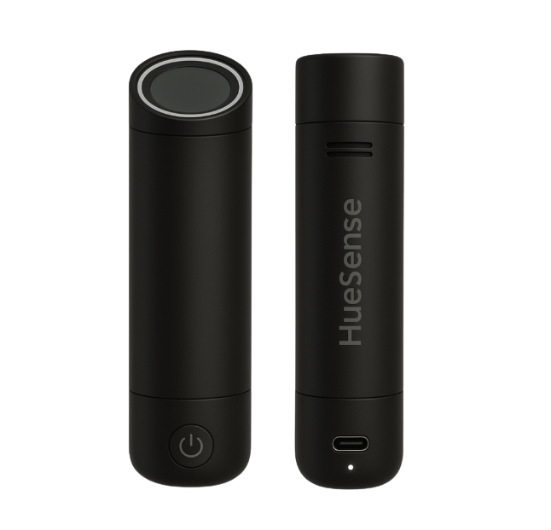
Prototype 1: Sleek & Universal
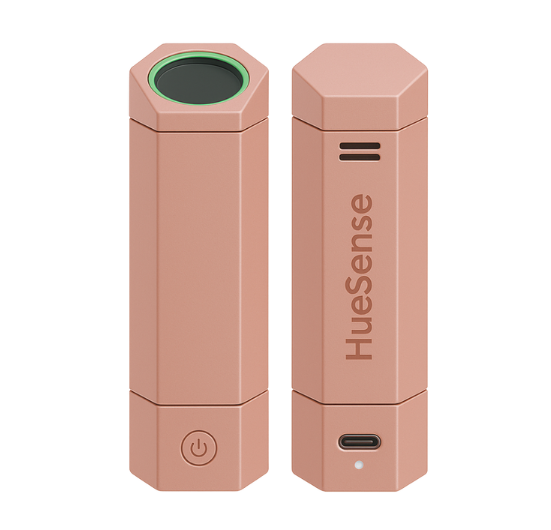
Prototype 2: Fun & Geometric
Designed for multiple contexts
HueSense was intentionally designed as a flexible system:
Retail version: supports beauty advisors and in-store consultations
Home version: enables confident reorders and shade discovery without store visits
This dual-context approach improves adoption while supporting both consumer confidence and retailer efficiency.
Mission & Product Principles
HueSense is guided by four core principles:
-
Inclusivity was treated as a foundational requirement, not an add-on. HueSense is designed to work across a wide spectrum of skin tones and undertones, addressing gaps that have historically underserved many users. From early concept decisions to AI training considerations, the goal was to ensure that accuracy and representation were built into the system itself, rather than optimized later.
-
HueSense prioritizes transparency and understanding over opaque recommendations. Instead of simply outputting a shade result, the product is designed to help users understand why a shade works for them by clearly identifying tone and undertone. This emphasis on clarity helps users build knowledge and trust, turning shade matching into an informed decision rather than a trial-and-error process.
-
At its core, HueSense is a confidence-building tool. Whether used in-store or at home, the product is meant to reduce doubt, second-guessing, and the anxiety that often accompanies shade selection. By providing consistent, objective results across lighting conditions and environments, HueSense empowers users to feel confident in their choices, both at the moment of purchase and long after.
-
HueSense is designed as an evolving, personalized system rather than a one-time scan. Over time, the product can support refined recommendations, product discovery, and reordering based on an individual’s unique complexion profile. This personalization extends beyond shade matching to create a more seamless and intuitive beauty experience that adapts to the user.
Together, these principles ensure that HueSense balances technical precision with human-centered design, aligning advanced AI capabilities with real user needs, emotional trust, and long-term usability.
Reflection &
Next Steps
HueSense demonstrates how thoughtful product design can combine hardware, AI, and education to solve a long-standing industry problem. The project resulted in a scalable, inclusive concept that improves user confidence while addressing retailer challenges such as returns and inconsistent shade matching.
If continued, the next phase of HueSense would focus on:
Defining an MVP feature set
Prototyping the end-t0-end app experience
Testing accuracy across diverse lighting conditions
Conducting usability testing with a wider range of skin tones
Refining AI training metrics for undertone precision
This project strengthened my approach to designing products that balance technical feasibility, business goals, and inclusive user experience.