Creating a empowering way to support memory and independent living.
As the global population continues to age, more older adults are choosing to remain in their own homes rather than transition into assisted living facilities. While many seniors maintain independent lifestyles, everyday tasks such as remembering appointments, managing medications, locating important belongings, and staying connected with family members can become increasingly difficult over time.
The goal of this project was to design a digital companion that supports independent living without making users feel monitored or overwhelmed by technology. Rather than replacing caregivers or family involvement, the platform aims to provide simple reminders, organizational tools, and peace of mind through an accessible and intuitive experience.
The solution consists of a mobile application paired with optional Bluetooth-enabled item trackers, allowing users to manage medications, appointments, emergency contacts, and frequently misplaced items through one centralized system.
Project Overview

For this project, I led the design process from research through high-fidelity prototyping.
Responsibilities included:
Conducing background and secondary research
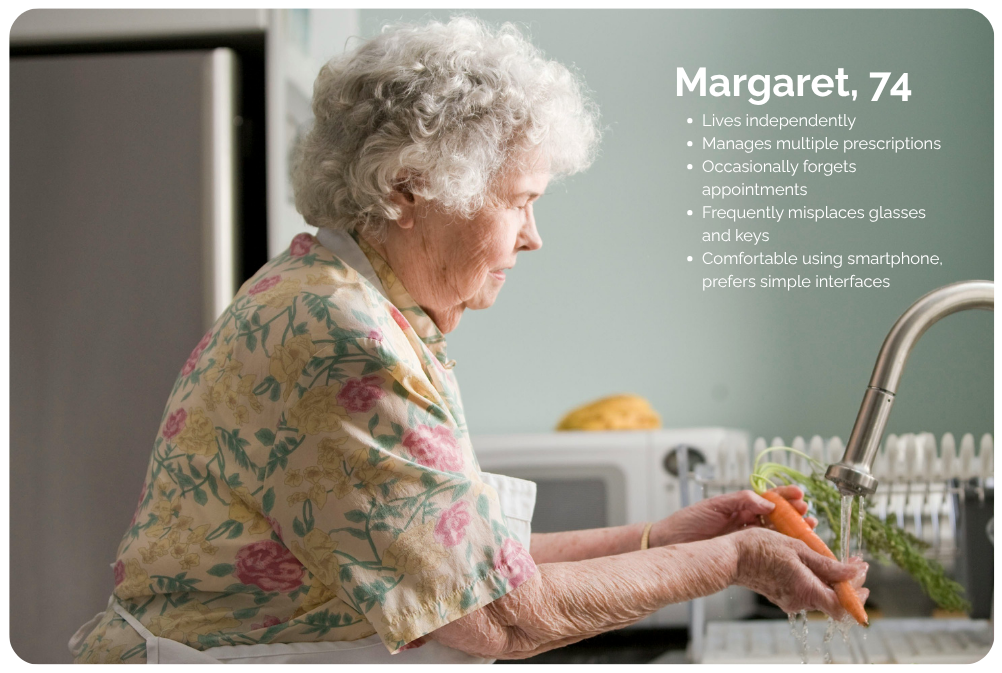
Developing personas and user journeys
Creating user flows and information architecture
Designing wireframes and high-fidelity interfaces
Evaluating accessibility considerations
My role
Tools Used


Research & Data Collection
Since this project has not yet entered the usability testing phase, the research focused on understanding existing challenges faced by older adults and their caregivers through secondary research and reviews.
Research methods included:
Literature review on aging in place and independent living
Analysis of existing reminder and medication management applications
Review of accessibility guidelines for older adults
Informal interviews with family caregivers and adults with aging parents
Competitive analysis of health and reminder platforms
Research Questions
What daily tasks become most difficult as adults age?
What existing tools do seniors currently rely on?
What barriers prevent adoption of technology?
How can digital products promote independence without increasing frustration?
Which features provide the greatest value while remaining simple to use?

Key Insights
-
Many existing health applications contain complex navigation, small buttons, and excessive menus that create unnecessary cognitive load.
-
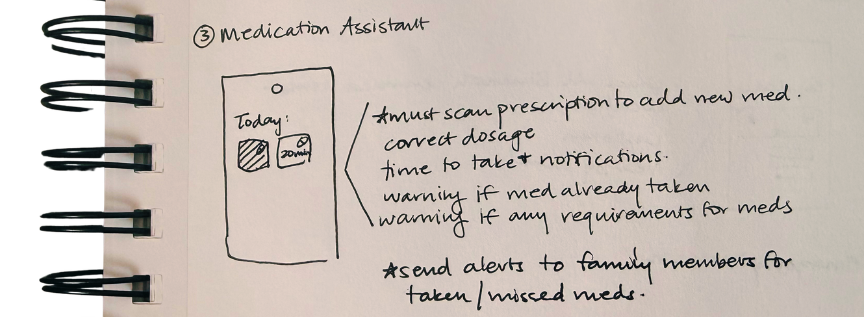
Missed doses, duplicate medications, and forgotten refill dates are common issues for adults managing multiple prescriptions.
-
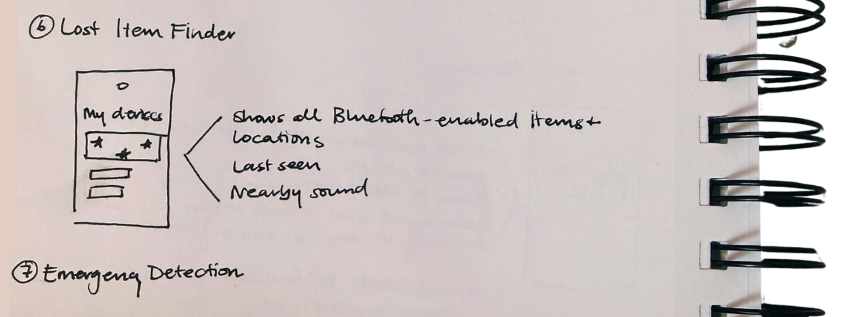
Items such as glasses, wallets, keys, hearing aids, and medication containers are frequently misplaced, leading to unnecessary stress.
-
Many caregivers reported wanting occasional updates that their loved ones completed important daily tasks while still preserving independence and privacy.
Design Process
1. Problem Definition
The project began by identifying common pain points experienced by independently living older adults and mapping opportunities where technology could provide meaningful assistance without becoming intrusive.
The design challenge is:
How might we help older adults maintain independence while reducing the cognitive burden of everyday memory-related tasks?
2. User Personas
PRIMARY
SECONDARY

3. Information Architecture
The experience was intentionally simplified into five primary sections:
Home Dashboard
Medications
Appointments & Calendar
Journal
Find My Items
Reducing navigation complexity allows users to quickly complete tasks with minimal decision-making.
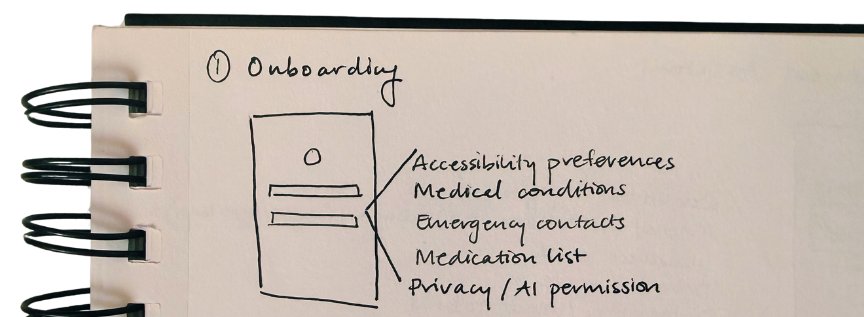
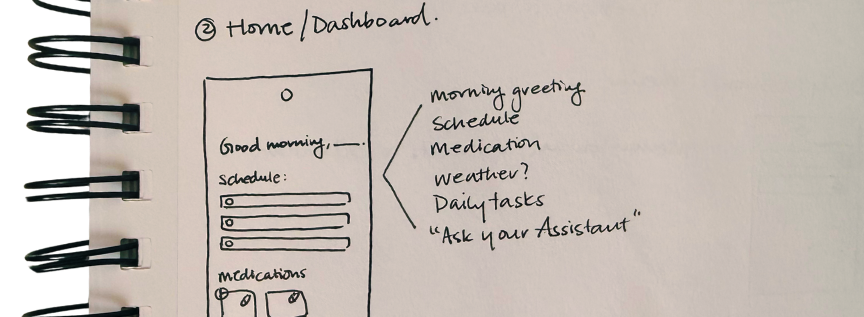
4. Wireframing
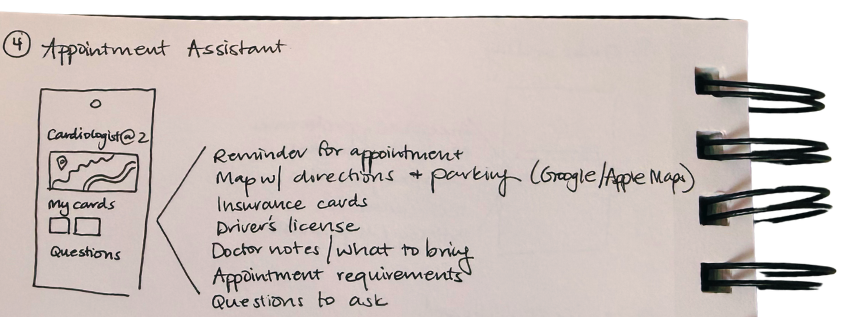
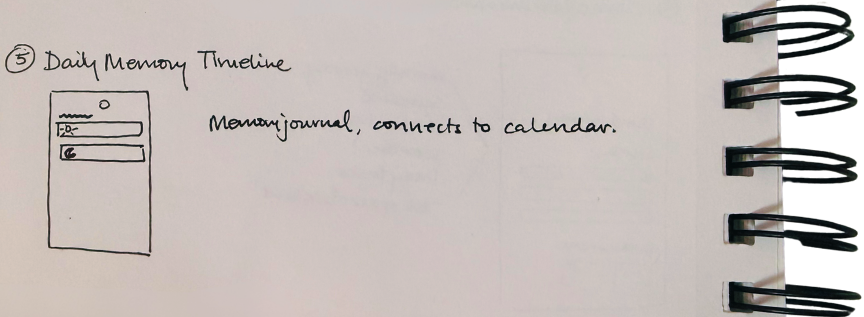
The experience was intentionally simplified into five primary sections:
Home Dashboard
Medications
Appointments & Calendar
Journal
Find My Items
Reducing navigation complexity allows users to quickly complete tasks with minimal decision-making.
Prototype Development
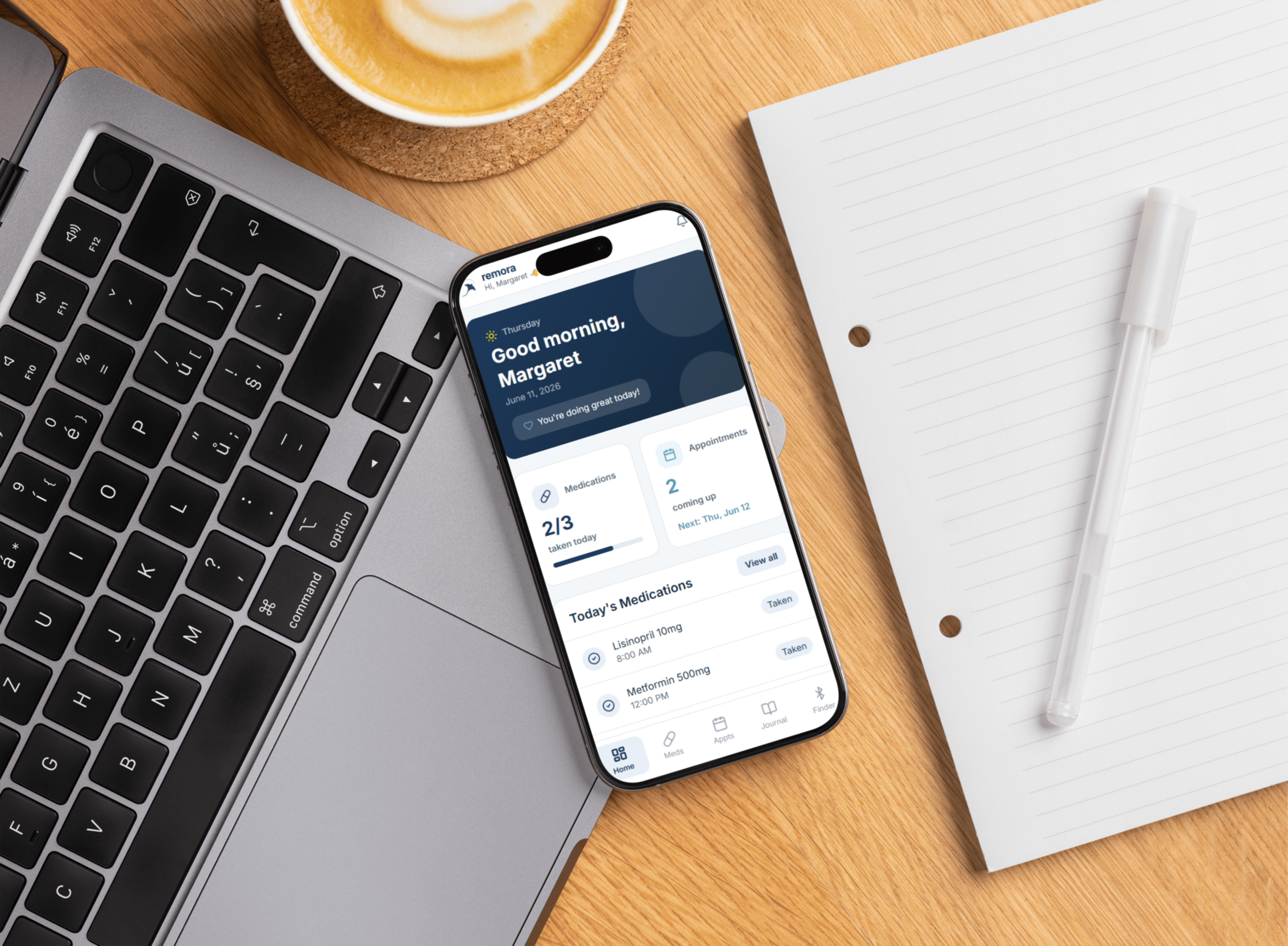
A high fidelity interactive prototype was created in Figma to stimulate the complete experience from onboarding through everyday use.
The prototype includes navigation between the dashboard, medication management, calendar scheduling, personal item tracking, and profile management, allowing users to experience how the system would function as an integrated product.
Transitions were intentionally kept simple to mirror the straightforward interaction model and to maintain focus on usability rather than visual effects.

PROTOTYPE
Conclusion & Next Steps
Remora explores how thoughtful product design can support aging populations through simplicity rather than technological complexity. By focusing on familiar interactions and essential daily tasks, the platform aims to reduce cognitive burden while promoting independence and confidence.
Future iterations would include formal usability testing with older adults and caregivers, refinement based on participant feedback, expanded accessibility accommodations, and integration with additional health management systems.
Although still conceptual, this project demonstrates a human-centered approach to designing technology that empowers users to live independently while maintaining dignity, autonomy, and connection with their support systems.
Expanding the Ecosystem